
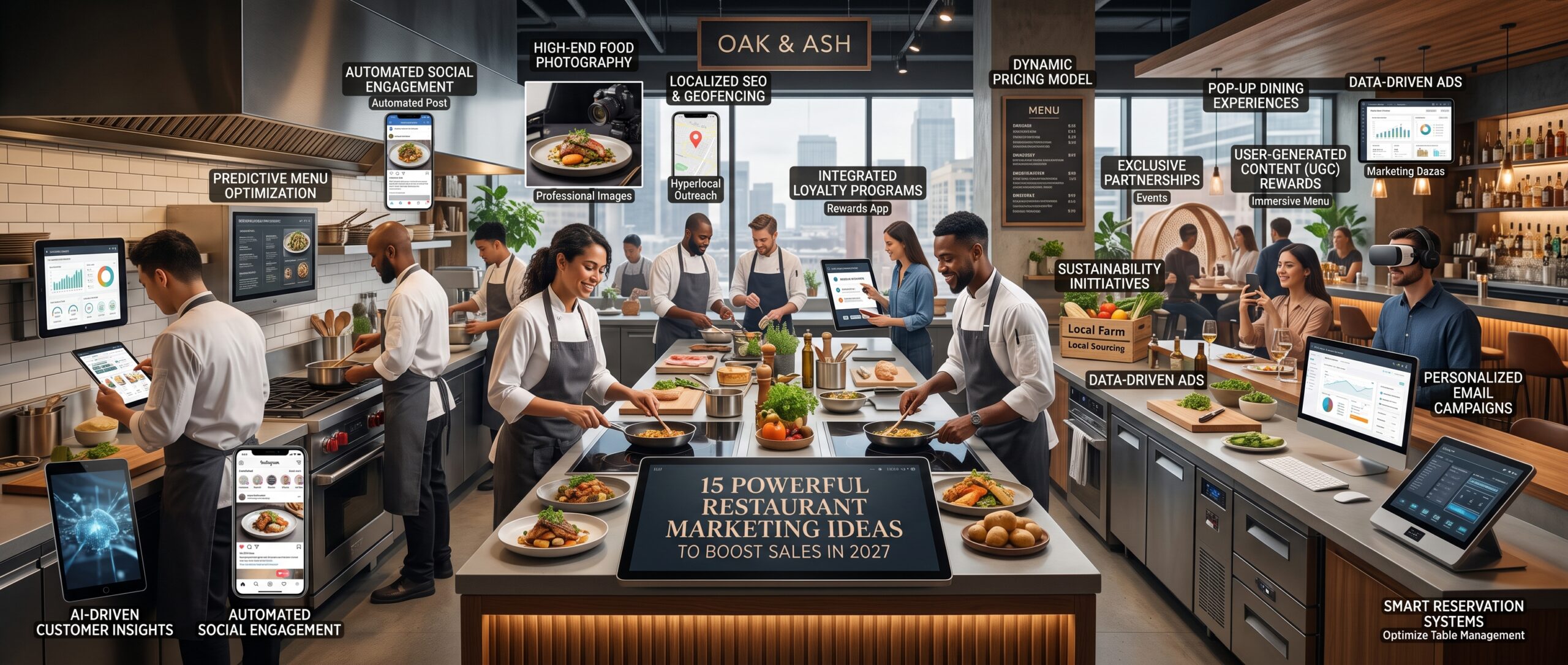
Let’s Start with the Basics: Know The Customer
Running a successful restaurant in 2027 means competing in a super crowded market. You want to make sure your hard-earned marketing dollars are spent wisely to attract new guests and keep your regulars coming back for more.
The key is drilling down to intimately understand your target audience inside and out. Identify exactly who your best customers are, what motivates them, and how to cater content and offers precisely to their needs.
You essentially want to create a profile representing your perfect guest. Market researchers call these buyer personas. (No, not the virtual assistant kind of persona.)
These fictional mini biographies describe consumer characteristics and behaviors based on real data about your patrons.
Elements to Include in Your Customer Personas
- Demographics: Age, income, location, occupation, education level, household size
- Values and Priorities: What matters most to them in life? Health, family, career growth, knowledge, etc.
- Interests and Hobbies: How do they like spending free time? Sports, travel, reading, concerts, volunteering etc.
- Food & Dining Preferences: Cuisine styles, ingredients, favored restaurants, how often they dine out
- Tech Usage: What social platforms and digital tools they actively use
- Personal Challenges: Pain points they deal with related to busy schedules, dietary needs, finding family restaurants etc.
Fleshing out detailed personas for each target customer segment helps you empathize with their reality and craft tailored promotions addressing their precise wants and needs.
Let’s look at how to gather crucial customer intelligence to fuel sound personas and personalized marketing approaches.
Gathering Customer Data to Shape Your Marketing Strategy
These days customer data is flowing 24/7 from multiple sources. The key is consolidating and analyzing it.
Implementing a customer data platform (CDP) allows you to automatically aggregate intelligence from your point-of-sale system, WiFi login captures, online ordering platforms, reservation tools, loyalty programs, social media, review sites and email.
CDPs contain AI and machine learning to surface hidden insights from purchase histories, visit frequency, response rates to past promotions and more. They alert you about trends or anomalies in real-time so you can adapt quickly.
Segmented customer lists built from CDPs drive hyper-targeted email, social and digital ad campaigns resonating more than generic blasts. Personalized messaging converts 18-20% better than one-size-fits-all content.
Let’s explore some key channels to focus your marketing efforts towards in 2027.
Develop an Outstanding Online Presence
Hands down, the #1 way modern diners research local restaurants is online. An incredible 90% turn to the internet to view menus, read reviews and find basic info before first visits.
Your website and social networks make vital first impressions on potential patrons scoping you out. These platforms also enable direct engagement with customers in ways not possible offline.
Poor web and social presences essentially scare away hand-raising prospects actively seeking reasons to visit your restaurant. That’s lost money sitting on the table.
Building a High-Quality Website
Your website is the hub holding key information customers need at their fingertips: address, hours of operation, contact details, menus and online ordering capability.
Yet only 38% of small business websites are mobile optimized in 2027. With over 60% of traffic coming from smartphones, inadequate mobile sites severely damage brand reputation and trust.
Some key elements to include on your restaurant website are:
- An up-to-date menu with prices and descriptions
- High-quality photos of your dishes and restaurant interior
- Contact information and location details
- Online ordering capabilities
- Reservation system (if applicable)
- Customer reviews and testimonials
Prioritize speedy page loads, easy tap targets for navigation, and crystal clear calls-to-action to drive reservations or orders.
Frequent blog posts showcasing signature dishes, promoting events and spotlighting community involvement build SEO and reinforce expertise.
Enable seamless online ordering for pickup, delivery and dine-in reservations via OpenTable or Yelp.
Dial Up Your Social Game
Consumers gaze at their feeds constantly for inspiration and entertainment. Failing to nurture an active social media presence means disappearing from view.
To make the most of your social media presence, develop a content strategy that aligns with your brand identity and target audience. Share a mix of content, including:
- High-quality photos of your dishes and restaurant interior
- Behind-the-scenes videos of your kitchen staff in action
- User-generated content from satisfied customers
- Announcements about new menu items, events, or promotions
- Engaging polls, questions, or contests to encourage audience participation
Most Effective Platforms for Restaurant Marketing
| Network | Ideal For | Strategy Tips |
|---|---|---|
| Community engagement & promotions for an older demographic | – Create video content showcasing personality of owners & staff | |
| Mouthwatering food photos, BTS peeks, Instagram Stories & Reels | – Post weekly with mix of UGC photos & high-quality images | |
| TikTok | Fun, entertaining short videos often going viral | – Film chef tips, staff interviews & trending challenges |
Actively engage with followers by liking comments, running giveaways and sharing user-generated content.
Consider running limited-time free food offers for first-time followers or “bring this post to redeem” promotions driving tangible foot traffic from digital efforts.
Email Marketing Still Delivers Huge Bang for Buck
Many restaurant owners underestimate the power of email marketing in 2027 due to misconceptions about effectiveness or over-reliance on newfangled social channels.
But targeted emails drive 38x higher retention than social media and generate $42 return per $1 spent, according to Campaign Monitor. Most competitors still neglect this high-ROI tactic.
Some ideas for email campaigns include:
- Monthly newsletters featuring new menu items, upcoming events, or behind-the-scenes stories
- Exclusive offers or promotions for email subscribers
- Personalized birthday or anniversary discounts
- Invitations to special events or tastings
- Post-visit feedback surveys to gather valuable customer insights
Leverage signup forms on your website, social channels and use tablet stands near host stations to collect email addresses in-restaurant. Incent signups with instant-win food discounts, future special offers or entry into gift card drawings.
Send regular e-newsletters announcing limited-time specials, new menu launches, holiday promotions and VIP member events.
Birthday offers, anniversaries milestones and loyalty status upgrades make subscribers feel special.
When designing email campaigns, remember less is often more. Overstuffed text and bombarding inboxes irks more than excites.
Embrace Online Ordering & Delivery Options
Global online food orders grew over 20% in 2022 to over $200 billion. That rocketing trajectory continues upwards as convenience-craving consumers shift buying online en masse.
Restaurants failing to facilitate effortless digital ordering through their website or third-party apps lose out on this massive growth market. Yet still only ~30% of independent restaurants offer these capabilities in 2027.
Again, you leave easy money on the table if customers can’t impulse order your food anytime, anywhere their stomachs growl.
Enable seamless online ordering via your website or apps like DoorDash, Grubhub and Uber Eats. Train staff to handle packaging/pickup protocols. Promote through email, social, in-restaurant signage and flyers.
Sweeten the deal for first-time app and web ordering with limited-time discounts, freebies and members-only specials. Stoke urgency with rotating weekly deals on under-ordered items or slow nights.
Handy features like scheduled ordering make hecticparent meal planning easier. Catering and bulk family bundles incent higher average order values.
The key is convenience + mouthwatering visuals + discounts = higher conversion rates.
Turn Occasional Customers into Lifelong Fans
Attracting new customers costs 5X more than keeping existing ones happy. Yet the typical restaurant devotes minimal effort towards nurturing loyalty and retention.
This seems foolish when you consider how valuable loyal guests can be.
Devoted customers visit 68% more often and spend 14% more per order according to Toast restaurant research. They act as your best brand advocates, providing priceless word-of-mouth marketing, online reviews and repeat business even during slow periods.
So how do you transform casual visitors into lifelong brand champions?
Friendship & Remarkable Experiences Are the Secret Sauce
Loyalty forms when customers feel genuinely cared for as more than walking dollars signs. They want to connect with the owners, managers, servers and chefs as trusted friends.
Sprinkling surprise personal touches make diners light up inside:
- Remembering customer’s names, favorite tables and menu items
- Getting proactively alerted to special dietary needs
- Receiving complimentary birthday desserts or random drink upgrades
- Having quick access to reservations and taking priority on waitlists
Staff empowered with data insights on purchase history and preferences can provide hyper-personalized hospitality rivaling their neighborhood pub.
Formal Loyalty Programs Hammer Home Commitment
Okay, you won over hearts with your charm and hospitality. But running on relationship fuel alone burns out staff and misses reinforcing your dedication through concrete perks.
That’s where formal loyalty programs come in.
Your loyalty program can take many forms, such as:
- Points-based system where customers earn points for each purchase and can redeem them for discounts or free items
- Tiered program where customers unlock higher levels of rewards as they make more purchases
- Punch card system where customers receive a free item or discount after a certain number of visits
- Exclusive perks for loyalty members, such as priority seating or invitations to special events
Members earn points for social shares, reviews, referrals, visit frequency and spend milestones they redeem for free food, merch, catering discounts or VIP access to special events.
Gamifying point accrual towards unlocking elite tiers and status challenges engages competitive motivations.
Leverage data from loyalty signups to target members with tailored offers and new menu previews driving higher visit frequency and spend compared to the average guest.
Email subscribers snag early access to limited-time specials before the general public. Big spenders receive priority reservations when tables are scarce. Strategic perks boost satisfaction and lifetime value.
Spotlight Customer Raves
Peer reviews make or break consumer decisions more than ever, with 93% of people saying online input sways buying for local business. Yet under 25% of happy visitors actually voice feedback publicly.
You want to mine your goldmine of delighted guests willing to shout your praises from the rooftops to influence new visitors.
Make Review Collection a Breeze
Tablets pre-opened to five-star review forms caught visitors in the moment of satisfaction right before paying. Comment cards quizzically only garner a ~3% response rate according to BrightLocal consumer surveys.
Proactively email requests linked to your profiles on major sites after great visits. Follow up quickly responding to negatives privately first before addressing publicly.
Showcase Rave Reviews Everywhere
Embed rotating testimonials in website banners, social headers and email footers to lend third-party credibility.
Quote compelling soundbites like “best fried chicken in the state!” rather than generic 5-star badges from influence seekers.
Align With Influencers and Local Businesses
Thriving restaurants intertwine themselves in the fabric of surrounding communities through savvy partnerships with influencers, brands and neighboring businesses.
These collaborations provide mutual benefits: wider audiences exposed to your brand and offers to participate in special events or co-promo campaigns likely unavailable solo.
First, who exactly are “influencers”? In this context we mean local food bloggers/critics, regional celebs or subject matter experts boasting engaged, targeted social followings.
Micro-influencers with just 1,000 to 100,000 followers often resonate more genuinely to their niche audience than celebrities pitching different random brands monthly.
Explore fee-based sponsored content packages or barter food/catering for organic marketing support. Ensure disclosed sponsorships and performance tracking.
Outreach nearby shops sharing your ethos but not directly competing to cohost events, cross-promote offers digitally, or provide discounts to each other’s customers driving trial.
Example adjacent business pairings: fitness studios, home/garden stores, bridal boutiques, car dealers and pet retailers.
Apply Emerging Tech to Elevate Experiences
Harnessing technology unlocks game-changing opportunities to better understand customers, drive efficiencies and revitalize guest experiences.
Customer data platforms (CDPs) seen earlier integrate information from your POS system, WiFi networks, online platforms and other tools to create 360-degree customer profiles. Powerful algorithms generate real-time insights to inform everything from staffing allocation to inventory ordering to tailored promotional campaigns based on flow traffic patterns and purchase history.
Tablets enhance tableturn efficiency, minimize server steps, and facilitate seamless ordering, payments and upsells. Digital menus easily showcase lavish photography, dish descriptions, wine pairings and allow self-service ordering and reservations.
Savvy restaurants embed QR codes into decor, menus, tables and bar areas linking to useful on-demand resources like:
- Retail purchase pages for housemade ingredients or merch
- Catering options for local delivery
- Dynamic wine/cocktail libraries
- Augmented reality effects bringing visual whimsy to scanning standard menus
While novelty tech earns short-term buzz for early adopters, ensure implementations solve core business challenges around efficiency, revenue growth and gathering customer intelligence.
pull the Trigger on Proven Tactics
Hopefully this guide provided ample inspiration on proven marketing tactics for restaurants looking to thrive in 2027. The key is carefully selecting strategies aligned to your business goals and customer segments then tracking performance rigorously to double down on what works.
Now is the time. Use this playbook to implement several solid game plans that attract new guests, nurture loyalty and standout from the noise.
Frequently Asked Questions
- What are the most effective restaurant marketing strategies? Social media marketing, email marketing, influencer collaborations, loyalty programs, online ordering/delivery, local SEO, and targeted promotions are highly effective strategies.
- How can I promote my restaurant on a tight budget? Leverage low-cost tactics like social media, email marketing, local SEO, user-generated content, and community partnerships to stretch your marketing dollars.
- How do I build a strong online presence for my restaurant? Develop a user-friendly website, optimize for local SEO, maintain active social media accounts, encourage online reviews, and implement online ordering/delivery.
- What types of promotions work best for restaurants? Exclusive deals for email subscribers, limited-time menu items, loyalty program rewards, social media contests, and influencer collaborations tend to perform well.
- How can I increase online orders for my restaurant? Offer online ordering on your website, partner with delivery apps, promote online ordering through email/social media, and run targeted ads for online ordering.
- How do I attract more local customers to my restaurant? Optimize for local SEO, partner with local influencers/businesses, run geo-targeted ads, and participate in community events to increase local visibility.
- What role does influencer marketing play in restaurant promotion? Partnering with food bloggers/influencers can expose your restaurant to new audiences, build credibility, and drive sales through authentic endorsements.
- How can I improve customer loyalty for my restaurant? Implement a rewards program, offer personalized perks, encourage feedback, and create a memorable dining experience to foster loyalty.
- What metrics should I track for restaurant marketing campaigns? Track website traffic, social media engagement, email open/click rates, online orders, foot traffic, and customer acquisition/retention rates.
- How can I leverage technology for better restaurant marketing? Utilize AI for personalized marketing, explore AR/VR for immersive experiences, implement online ordering/delivery, and stay updated on emerging marketing tech.